Introduction: Iran War Gold Price – Why Markets Are Watching Closely
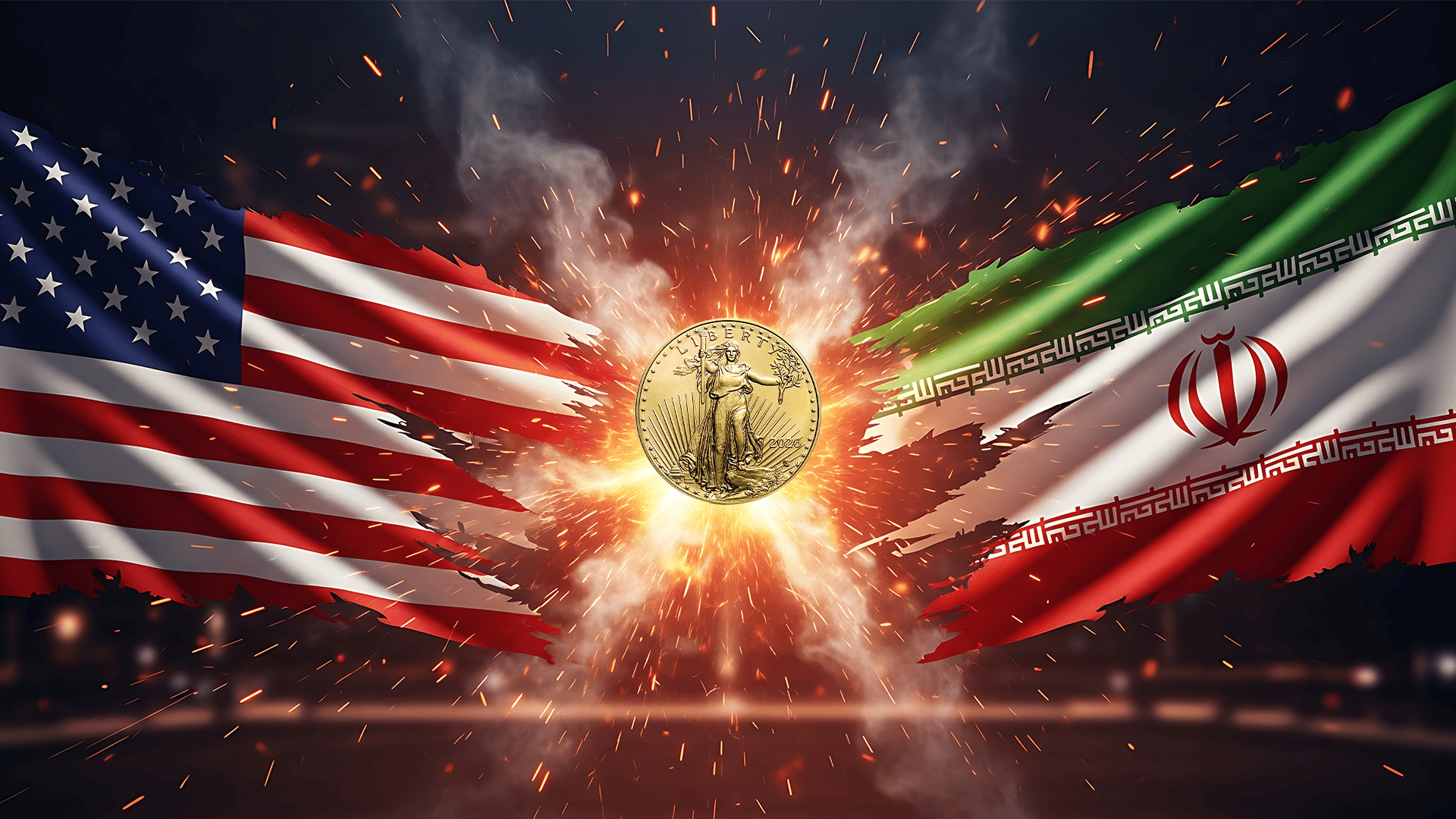
The phrase “Iran war gold price” has quickly become one of the most searched financial terms as geopolitical tensions in the Middle East intensify. Whenever conflict risks rise—especially involving a major energy producer like Iran—investors instinctively turn their attention to gold.
Gold has historically responded to war, inflation shocks, oil supply disruptions, and currency instability. While headlines often focus on troop movements or diplomatic statements, financial markets immediately begin pricing in uncertainty. The result is often heightened volatility across equities, bonds, energy markets—and notably, precious metals.
It is important to approach this topic carefully and objectively. Geopolitical events can move markets rapidly, but long-term investment decisions should always be made based on personal financial goals, risk tolerance, and diversification principles—not emotion or speculation.
Why War Risk Impacts Gold Prices
When analysts discuss the “Iran war gold price” dynamic, they are really describing how markets price risk.
There are several key transmission mechanisms:
1. Safe-Haven Demand
Gold has long been considered a “safe-haven” asset. During periods of military conflict or political instability, investors often reduce exposure to risk assets such as stocks and seek assets perceived as stores of value.
2. Oil Supply Concerns
Iran plays a strategic role in global energy markets. Any conflict that threatens oil production or shipping routes—particularly through the Strait of Hormuz—can cause crude oil prices to rise sharply. Rising oil prices can contribute to inflation expectations, which historically have supported gold prices.
3. Currency Volatility
Geopolitical instability often pressures fiat currencies. If investors anticipate increased government spending, sanctions, or monetary intervention, they may look to hedge currency exposure with tangible assets.
4. Broader Regional Instability
The Middle East’s geopolitical landscape involves multiple regional and global powers. Escalation involving Iran could influence global trade flows, defense spending, and commodity markets—all of which feed into broader macroeconomic expectations.
Historical Examples: Conflict and Gold
Gold’s sensitivity to geopolitical stress is not new. During the Gulf War, gold prices spiked as markets reacted to uncertainty in oil supply and global security. Similar patterns were observed following major geopolitical shocks in the early 2000s and during other periods of heightened global tension.
However, it is equally important to note that gold does not always move in a straight line during conflict. Prices may initially spike on headlines and later retrace as markets reassess the actual economic impact. Short-term volatility can be significant.
For this reason, investors should avoid viewing gold purely as a short-term speculation tied to war headlines. Instead, many consider it part of a broader risk management strategy.
The Inflation Connection
An Iran-related conflict could potentially impact inflation in several ways:
- Higher energy prices
- Increased shipping and insurance costs
- Supply chain disruptions
- Expanded fiscal spending globally
If inflation expectations rise, central banks may face difficult policy decisions. Historically, gold has often performed well during periods when real interest rates (interest rates adjusted for inflation) are low or negative.
That said, gold prices are influenced by multiple factors simultaneously—including interest rate policy, currency strength, global liquidity, and investor sentiment. Geopolitical tension is just one variable.
Central Banks and Gold Accumulation
Another structural factor supporting gold demand in recent years has been central bank buying. Several countries have increased gold reserves as part of reserve diversification strategies.
While geopolitical risk can accelerate short-term investor demand, central bank accumulation tends to reflect longer-term concerns about currency diversification and financial system resilience.
The Iran war gold price discussion, therefore, fits into a broader global trend: governments and institutions seeking stability amid uncertainty.
Volatility vs. Long-Term Strategy
It is essential to distinguish between:
- Short-term trading reactions to geopolitical headlines
- Long-term portfolio allocation decisions
Precious metals can experience rapid price swings during crises. Investors considering physical gold or silver should evaluate:
- Overall portfolio diversification
- Liquidity needs
- Storage and security considerations
- Time horizon
Gold and silver are not income-producing assets, and their prices can decline as well as rise. Past performance is not indicative of future results.
Physical Gold vs. Paper Gold
Some investors prefer physical bullion—coins or bars—because it represents direct ownership of a tangible asset. Others may choose exchange-traded products or mining equities, each of which carries different risk characteristics.
- Do not depend on corporate performance
- Are not liabilities of a financial institution
- Require secure storage
- May involve premiums over spot prices
Investors should carefully review costs, liquidity considerations, and suitability before purchasing physical metals.
Conclusion: Understanding the Iran War Gold Price Narrative
The “Iran war gold price” theme highlights how deeply interconnected geopolitics and financial markets have become. Conflict risk involving Iran can influence oil prices, inflation expectations, currency markets, and investor sentiment—all of which may affect gold.
However, disciplined investors recognize that precious metals are best viewed as part of a diversified strategy rather than a reactionary trade to headlines. While geopolitical uncertainty can support demand for safe-haven assets, long-term financial planning requires balance, prudence, and a clear understanding of risk.
For those interested in learning more about physical gold and silver as part of a broader wealth preservation strategy, Allegiance Gold provides educational resources to help investors make informed decisions.
📞 Call Allegiance Gold today at 844-790-9191
or
📅 Book your appointment online to learn how to secure your future through physical gold and silver.
Request Your 2026 Gold Forecast Report To See The Full List of Institutions And Their Gold Price Forecasts
Download Your Free 2026 Gold Forecast Report
To Start Your Gold IRA Today:
Download Your Free Gold IRA Guide | Open Your Gold IRA Account | Book Your Consultation
Protect your financial future with Allegiance Gold an Inc 5000 company– Your trusted partner in Gold and Silver IRA investments.
 |
 |
Buy Now |
Buy Now |
Act now and join the millions who trust gold to secure their wealth.
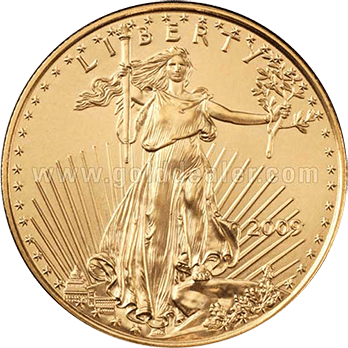 Gold Products
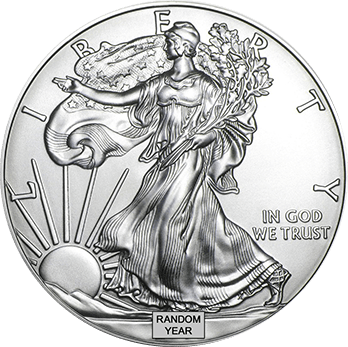 Silver Products
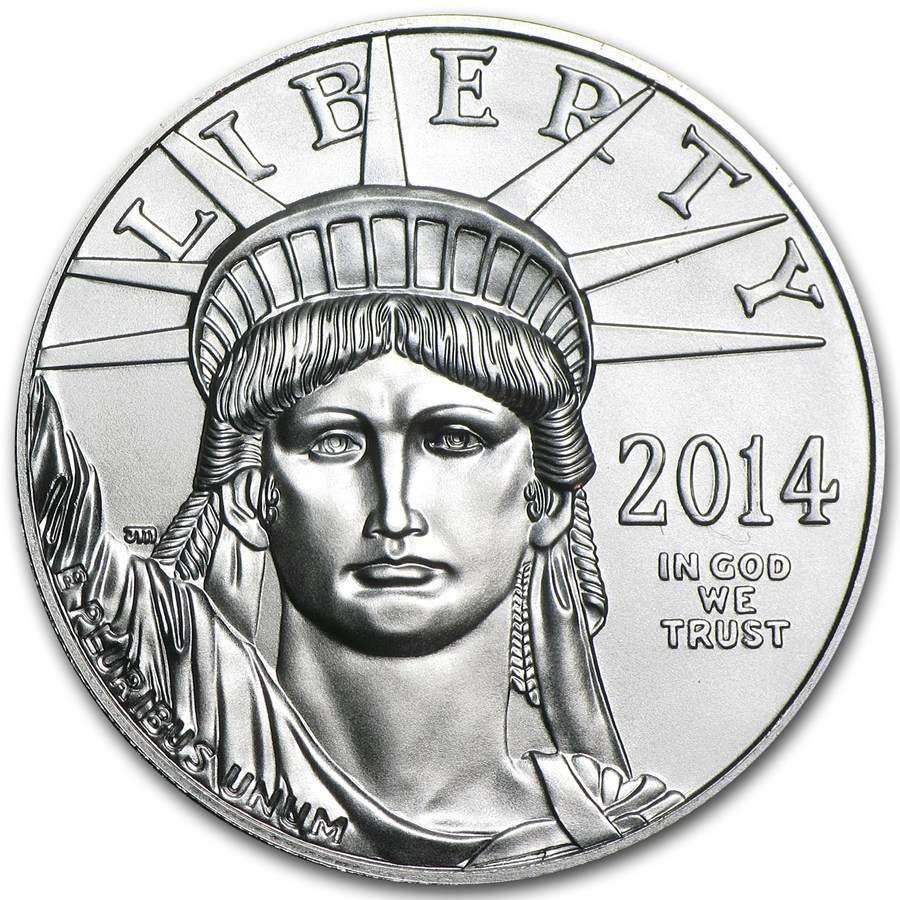 Platinum