
Introduction: The Calm Before the Surge
Inflation numbers, Federal Reserve policy shifts, the end of quantitative tightening (QT), and looming rate cuts — these headlines dominate financial news today. But amid all this noise, one question keeps resurfacing:
“Why isn’t gold skyrocketing?”
The answer is simple yet powerful: gold doesn’t panic — it reorganizes.
While short-term traders chase volatility, seasoned investors understand that gold is in a period of strategic consolidation — a phase that historically precedes its strongest rallies.
In this article, Allegiance Gold explains why gold’s current calm is not weakness, but preparation — a reset that aligns with decades of historical cycles and central bank behavior.
1. What is Gold Consolidation?
Consolidation happens when an asset pauses after a major move. It trades within a defined range — absorbing past gains, shaking out speculators, and setting the foundation for its next trend.
For gold, this range-bound behavior isn’t a sign of uncertainty; it’s financial equilibrium.
In every major gold bull market — from the 1970s to the post-2008 rally — consolidation periods were followed by significant breakouts.
Gold doesn’t react impulsively to short-term data. It waits for confirmation of long-term shifts — like declining real interest rates, rising debt burdens, and monetary easing.
That’s precisely what we’re seeing now.
2. Inflation is Cooling – But Confidence Isn’t Rising
Recent consumer price index (CPI) data shows inflation cooling slightly, but core inflation remains sticky, especially in areas like healthcare, insurance, and shelter.
While the public celebrates “lower inflation,” investors should look deeper.
Periods when policymakers believe inflation is contained are often when monetary complacency sets in. That’s when gold quietly begins its next ascent.
Gold doesn’t trade on the inflation number — it trades on trust in policy and the value of future money.
When central banks signal victory too early, gold starts discounting the next policy mistake.
3. The End of Fed QT: The Quiet Catalyst
The Federal Reserve is signaling that its balance sheet reduction — known as Quantitative Tightening (QT) — is nearing its end.
This is a pivotal moment.
Historically, when the Fed pauses QT, liquidity expectations shift. Investors anticipate easier money, lower yields, and a softer dollar — all bullish for gold.
Historical Precedent:
- 2008–2010: End of QT + rate cuts → Gold surged 60%.
- 2019–2020: QT pause + liquidity return → Gold rose 45% over 18 months.
We’re entering a similar setup now.
Ending QT doesn’t just mean “stability” — it signals monetary expansion is back on deck. And gold loves liquidity.
4. Rate Cuts Ahead: Why Real Yields Matter More Than Nominal Ones
Many assume rate cuts automatically push gold higher — but the real relationship is subtler.
Gold reacts not to nominal rates, but to real rates — the yield after adjusting for inflation.
When inflation exceeds nominal yields, real returns turn negative. That’s when gold shines.
With inflation still above target and rate cuts on the horizon, real yields are expected to decline sharply — historically the single most bullish condition for gold.
5. The Technical Picture: Calm, Collected, and Bullish
From a charting perspective, gold is trading in a classic bullish continuation pattern — higher lows and capped highs, a sign of accumulation.
- The 200-day moving average remains upward-sloping.
- Volume has normalized, indicating a transfer from short-term traders to long-term holders.
- Sentiment indicators show neutral positioning, often a precursor to strong rallies.
This is not chaos — it’s organization.
Just as a general reorganizes troops before advancing, gold consolidates before breaking to new highs.
6. Silver: The Coiled Spring
Silver’s volatility often overshadows its potential, but in the current environment, its dual identity makes it uniquely poised.
Silver is both a monetary metal and an industrial essential. With demand from solar energy, EV manufacturing, and high-tech production accelerating, supply remains constrained.
Once monetary easing begins, silver’s industrial demand and monetary premium could ignite simultaneously — a phenomenon that historically causes silver to outperform gold during late-stage rallies.
In 2010, for example, silver doubled while gold rose 30%. A similar setup may be forming again.
7. The Stock Market Mirage
The S&P 500’s record levels mask deeper imbalances. A handful of mega-cap tech firms are driving index performance while small- and mid-cap stocks stagnate.
This is concentration risk — and when markets rebalance, those overweights often reverse sharply.
Gold doesn’t compete with stocks; it balances them.
When risk-on sentiment fades, gold typically reclaims its role as a store of discipline, not just value.
That’s why institutional investors are quietly rebuilding positions even as retail attention shifts elsewhere.
8. Central Banks Keep Buying – and That’s Not Random
According to the World Gold Council, global central banks bought over 1,000 metric tons of gold in 2024 — among the highest annual totals in modern history.
This isn’t speculation; it’s strategy.
Nations like China, India, Turkey, and Poland are diversifying away from the U.S. dollar, preparing for a multipolar monetary system.
Every ounce they buy is a vote of no confidence in paper reserves.
When the world’s largest financial institutions are buying gold, it’s not fear — it’s foresight.
9. Debt, Deficits, and the Dollar Dilemma
U.S. national debt has surpassed $35 trillion, with annual interest costs approaching the size of the defense budget.
History tells us debt crises aren’t solved — they’re inflated away.
That inflation — whether gradual or sudden — erodes purchasing power. Gold doesn’t fight inflation by speculation; it outlasts it.
When the dollar weakens under the weight of fiscal reality, gold’s price in nominal terms adjusts upward — not as a rally, but as revaluation.
10. Why Gold’s “Stillness” Is Strength
Markets mistake stillness for weakness. But gold’s ability to consolidate while every other asset class swings wildly is a sign of structural maturity.
Gold doesn’t react — it reflects.
- It reflects monetary discipline (or the lack of it).
- It reflects the confidence investors have in the value of money.
- It reflects the quiet reorganization of global trust.
In moments when everything else seems urgent, gold reminds investors that stability is strategy.
11. What Smart Investors Are Doing Now
Long-term investors and institutions are using this consolidation phase to accumulate strategically.
Their playbook includes:
- Dollar-cost averaging into physical gold and silver positions.
- Diversifying IRAs with precious metals allocations.
- Reassessing storage options to ensure direct ownership of physical assets.
- Reviewing risk concentration in equities and dollar-based investments.
Periods of calm are when disciplined investors prepare — not when they panic.
12. Allegiance Gold’s Perspective: Reorganization, Not Retreat
At Allegiance Gold, we see today’s gold market exactly as we’ve seen others before major advances — as reorganization, not retreat.
The drivers are aligning:
- Fed policy shifting from tightening to easing.
- Inflation persistently above target.
- Central banks diversifying.
- Global debt and deficits accelerating.
- Investor confidence rotating from paper promises to tangible assets.
Each of these signals a coming change in market psychology — and gold, as always, is the first to anticipate it.
Conclusion: Gold Doesn’t Panic – It Prepares
Consolidation is gold’s discipline. It’s how the market filters noise and resets conviction.
When gold appears quiet, it’s not asleep — it’s reorganizing.
History has shown that after every pause, gold re-emerges stronger, more relevant, and more necessary.
As investors, your goal is not to predict gold’s next dollar move, but to understand its purpose:
- To preserve value.
- To hedge against policy risk.
- To offer stability when paper markets lose their footing.
When uncertainty rises, gold doesn’t flinch — it focuses.
Here are two simple way to own Gold and Silver:
- Start my Gold IRA today
- Invest in direct ownership
About Allegiance Gold
Allegiance Gold is a nationally recognized precious-metals firm dedicated to educating investors on the importance of diversifying and protecting their wealth through physical gold and silver. Built on education, transparency, and integrity, Allegiance Gold has been named to Inc. Magazine’s 5000 list of America’s fastest-growing private companies for two consecutive years.
For more information on how to safeguard your portfolio, visit www.AllegianceGold.com or call (844) 790-9191.
To Start Your Gold IRA Today:
Download Your Free Gold IRA Guide | Open Your Gold IRA Account | Book Your Consultation
Protect your financial future with Allegiance Gold an Inc 5000 company– Your trusted partner in Gold and Silver IRA investments.
 |
 |
Buy Now |
Buy Now |
Act now and join the millions who trust gold to secure their wealth.

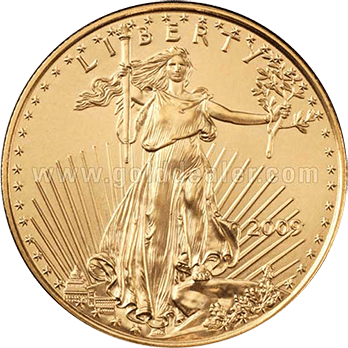 Gold Products
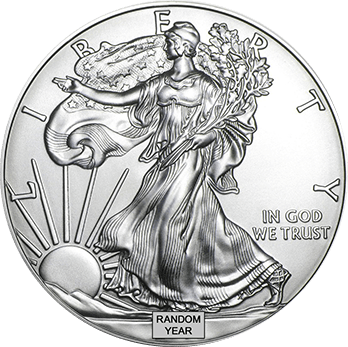 Silver Products
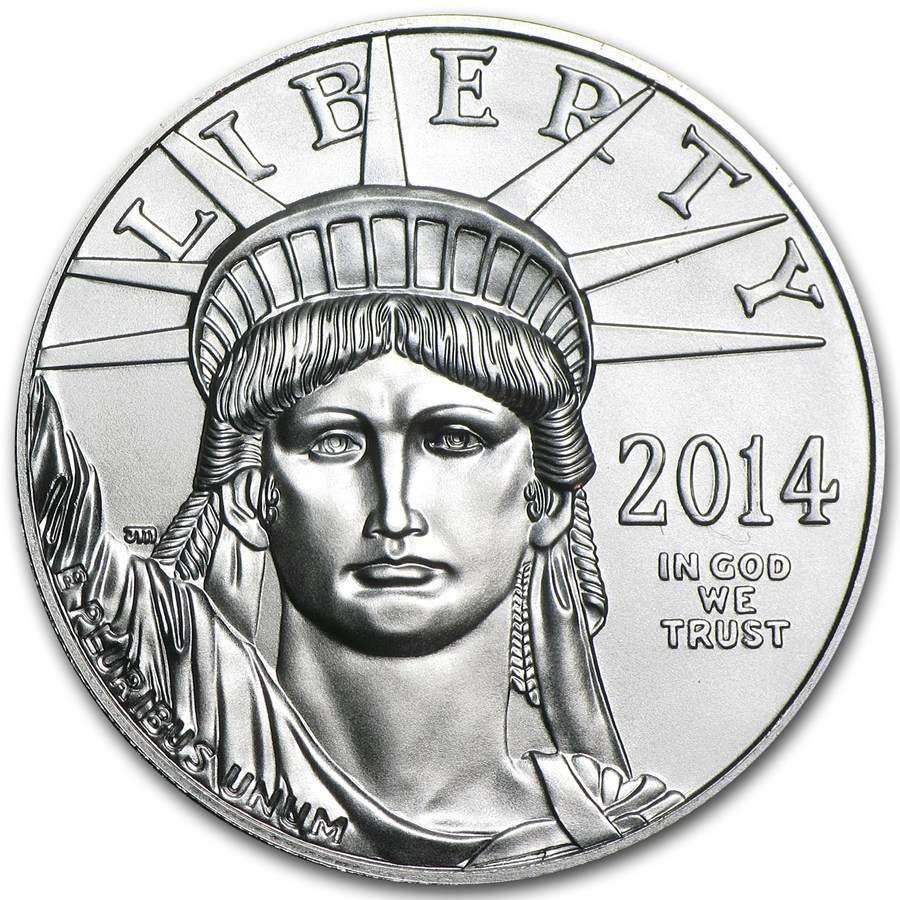 Platinum